As we move through the second half of 2026, the cloud landscape has clearly matured. Cloud adoption is no longer about simply moving servers from on-premises environments to the cloud. Instead, organizations are now focused on intelligence, integration, resilience, and sustainability. Microsoft Azure continues to lead this evolution by redefining what modern cloud hosting looks like.
From AI-powered operations to industry-specific platforms and sustainability-driven innovation, Azure is positioning itself not just as a cloud provider but as a long-term digital transformation partner. Below are the key trends shaping Azure Cloud Hosting in 2026 and beyond, and why they matter for businesses preparing for the future.
1. AI and Automation Are Now Built into the Cloud Itself
Artificial Intelligence is no longer an add-on within Azure it has become foundational. Azure is embedding AI across infrastructure, development tools, monitoring, and security.
Azure AI Foundry and Intelligent Development
Introduced at Microsoft Build 2026, Azure AI Foundry is transforming how organizations design and deploy AI solutions. It simplifies the end-to-end AI lifecycle from model creation and fine-tuning to deployment and observability. Developers can now integrate AI faster using native tools such as GitHub Copilot, Azure OpenAI Services, and AI-powered agents.
This shift reduces development complexity and accelerates innovation, enabling even mid-sized teams to build intelligent, AI-powered applications.
AI-Driven Cloud Operations (AIOps)
Azure now uses machine learning to monitor workloads, predict spikes in demand, and automatically scale infrastructure. Services like Azure Monitor, Azure Automation, and Application Insights can proactively detect anomalies, resolve issues, and optimize costs without manual intervention.
Result: better performance, reduced downtime, and smarter cost control.
2. Hybrid and Multi-Cloud Have Become the Enterprise Default
The cloud conversation has officially moved beyond “cloud vs on-premises.” Today, enterprises demand flexibility, and Azure is embracing hybrid and multi-cloud as a core strategy.
Azure Arc as the Control Plane
Azure Arc has matured into a powerful management layer that allows organizations to manage on-premises servers, edge devices, and even other cloud platforms (like AWS or GCP) through Azure. This unified approach simplifies governance, policy enforcement, security, and compliance across environments.
Azure Local and Edge Computing
For businesses requiring ultra-low latency, data residency, or offline operations, Azure Local is gaining traction. It allows Azure services to run directly on-site while remaining connected to the broader Azure ecosystem. This is especially valuable for manufacturing plants, retail stores, healthcare facilities, and logistics hubs.
3. Industry-Specific Cloud Solutions Are Accelerating Adoption
Azure is moving away from generic infrastructure offerings and toward industry-aligned cloud platforms that address real-world challenges.
Cloud for Regulated and Complex Industries
Azure is heavily investing in tailored solutions for industries such as healthcare, finance, manufacturing, and retail. Examples include:
- Secure patient data environments using confidential computing
- AI-powered fraud detection and compliance monitoring in finance
- IoT-enabled predictive maintenance in manufacturing
These solutions come with built-in compliance frameworks, reducing implementation time and regulatory risk.
Microsoft Cloud for Industry
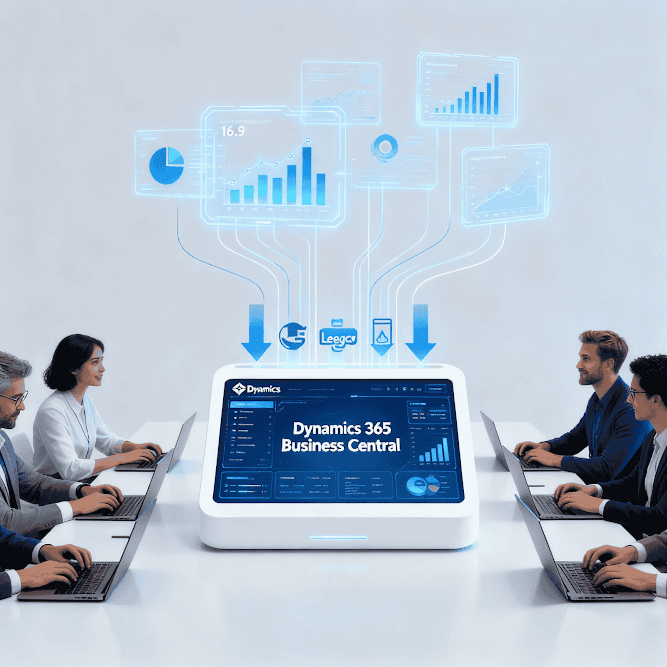
Offerings like Microsoft Cloud for Healthcare, Retail, Sustainability, and Financial Services provide pre-integrated platforms that combine Azure, Dynamics 365, Power Platform, and AI allowing businesses to innovate faster without building everything from scratch.
4. Sustainability Is Becoming a Core Cloud Metric
Sustainability is no longer optional it’s a strategic requirement. Microsoft continues to lead in this area, and Azure customers directly benefit.
Carbon-Neutral and Renewable Energy Goals
Microsoft has committed to powering its data centers with 100% renewable energy and achieving carbon negativity. Businesses hosting workloads on Azure can significantly reduce their environmental impact while meeting ESG and regulatory expectations.
Carbon Optimization and Reporting Tools
Azure now provides detailed dashboards that show the environmental impact of workloads. Organizations can track emissions, optimize resource usage, and align cloud strategy with sustainability goals turning cloud hosting into a measurable sustainability asset.
5. Zero Trust Security Is Now the Baseline
With cyber threats increasing in sophistication, Azure has doubled down on security-first architecture.
Zero Trust by Design
Azure’s security framework follows a strict “never trust, always verify” philosophy. Every request internal or external is continuously authenticated and authorized, minimizing attack surfaces.
AI-Powered Threat Detection
Services like Microsoft Defender for Cloud and Microsoft Sentinel use AI to identify threats in real time. Automated responses help security teams react faster, reducing the risk of data breaches and service disruptions.
6. Cloud Cost Optimization Becomes a Strategic Priority
As cloud usage grows, so does the need for smarter cost control. Azure is focusing heavily on FinOps financial operations for the cloud.
Azure Cost Management now provides:
- Predictive spending insights
- Automated budget alerts
- Recommendations for right-sizing resources
This helps businesses balance performance and cost without compromising reliability.
7. Serverless and Containerization Are Driving Agility
Azure continues to invest in modern application architectures.
- Azure Kubernetes Service (AKS) enables scalable, container-based workloads
- Azure Functions supports serverless applications that scale automatically
- Microservices architectures improve resilience and deployment speed
These approaches allow teams to innovate faster while reducing operational overhead.
8. Data, Analytics, and Real-Time Insights Take Center Stage
Azure’s data platform is evolving rapidly to support real-time decision-making.
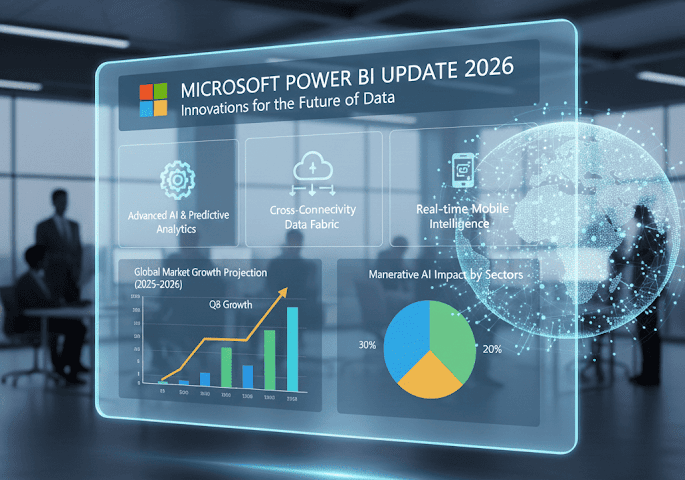
With services like Azure Synapse Analytics, Fabric, and real-time streaming tools, businesses can:
- Analyze massive datasets instantly
- Combine operational and analytical workloads
- Power AI models with live data
This makes Azure a strong choice for data-driven organizations.
Final Thoughts:
Azure Cloud Hosting in 2026 is defined by intelligence, flexibility, specialization, sustainability, and security. The platform is no longer just infrastructure it’s an ecosystem designed to support innovation at every level.
Organizations that align early with Azure’s intelligent, hybrid, and industry-focused approach will be best positioned to lead not follow in the years ahead.