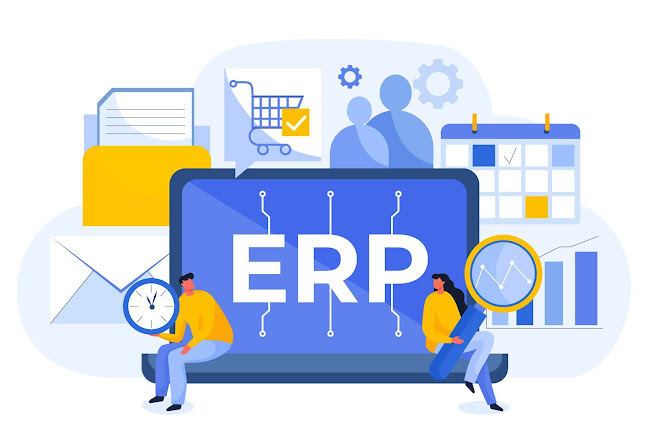
Implementing an Enterprise Resource Planning (ERP) system can be a game-changer for small businesses looking to streamline their operations and enhance productivity. ERP systems integrate essential business processes, such as inventory management, accounting, and human resources, into a single cohesive system. This integration helps small businesses automate routine tasks, reduce manual errors, and make data-driven decisions.
However, with various ERP solutions available on the market, choosing the right system tailored to a small business’s specific needs is crucial.
List of top 20 ERP systems designed to cater to the unique challenges and requirements of small businesses:
Top 20 ERP System:
1. NetSuite
NetSuite is a comprehensive cloud-based ERP solution designed for growing businesses that need scalability and real-time insights. It offers modules for financial management, CRM, inventory, order management, and e-commerce. One of NetSuite’s biggest strengths is its real-time analytics and customizable dashboards, allowing business leaders to track performance and make informed decisions quickly. Its cloud-native architecture makes it ideal for businesses planning rapid growth or global expansion.
2. SAP Business One
SAP Business One is built specifically for small and medium-sized enterprises. It brings together financials, sales, purchasing, inventory, and customer relationships into one integrated system. Businesses benefit from improved visibility across departments and reduced manual processes. SAP Business One is especially popular among companies that expect to scale and later transition to larger SAP solutions.
3. Odoo
Odoo is a flexible, open-source ERP platform offering a wide range of fully integrated business applications. From CRM and inventory to manufacturing, accounting, and project management, Odoo allows businesses to start small and add modules as needed. Its open-source nature makes it highly customizable, making it a strong option for businesses with unique workflows or limited budgets.
4. Microsoft Dynamics 365 Business Central
Microsoft Dynamics 365 Business Central is a powerful ERP solution tailored for small and mid-sized businesses. It supports finance, supply chain, sales, and operations while integrating seamlessly with Microsoft tools like Excel, Outlook, and Teams. Automation and reporting capabilities help businesses reduce manual effort and improve operational efficiency, making it a popular choice for Microsoft-centric organizations.
5. Zoho Books
Zoho Books is a cloud-based accounting-focused ERP solution designed for small businesses. It simplifies financial operations such as invoicing, expense tracking, tax compliance, and bank reconciliation. With strong automation features and integration with the broader Zoho ecosystem, Zoho Books is ideal for startups and small businesses seeking simplicity and affordability.
6. QuickBooks Enterprise
QuickBooks Enterprise is known for its strong accounting and financial management capabilities. Designed for growing businesses, it offers advanced reporting, inventory management, and industry-specific features. Many businesses choose QuickBooks Enterprise for its ease of use and familiarity, especially when transitioning from basic accounting software to a more robust ERP environment.
7. Sage 50cloud
Sage 50cloud combines traditional desktop accounting with cloud-based access and backups. It provides tools for accounting, inventory, invoicing, and reporting while offering the security and control of desktop software. Sage 50cloud is well-suited for businesses that want cloud flexibility without fully moving away from on-premise systems.
8. Infor CloudSuite Industrial (SyteLine)
Infor CloudSuite Industrial, also known as SyteLine, is designed for manufacturing and distribution businesses. It offers tools for production planning, supply chain management, finance, and operations. The system supports complex manufacturing processes and helps businesses optimize resources, reduce costs, and improve delivery timelines.
9. Acumatica
Acumatica is a modern cloud-based ERP solution known for its scalability and flexible licensing model. It provides strong financial management, project accounting, CRM, and distribution features. Acumatica’s open architecture allows easy integration with third-party applications, making it a strong choice for growing businesses with evolving technology needs.
10. Epicor ERP
Epicor ERP is particularly suited for manufacturing, distribution, and retail businesses. It provides industry-specific functionality to manage resources, production, inventory, and supply chains. Epicor helps businesses improve efficiency and gain better control over operations through detailed analytics and reporting.
11. Tally.ERP 9
Tally.ERP 9 is a widely used accounting and inventory management solution, especially popular in emerging markets. It focuses on simplicity, compliance, and ease of use. Small businesses appreciate Tally for its fast processing, GST support, and straightforward financial reporting capabilities.
12. MARG ERP
MARG ERP is designed primarily for inventory, order management, and supply chain automation. It is commonly used by trading, distribution, and retail businesses. MARG ERP helps streamline stock management, billing, and purchase processes, reducing errors and improving efficiency.
13. Syspro
Syspro is an ERP solution focused on manufacturing and distribution sectors. It offers strong capabilities in production planning, inventory control, and financial management. Syspro is known for providing operational insight and control, enabling businesses to improve productivity and reduce operational risks.
14. Priority Software
Priority Software provides a flexible ERP platform that supports finance, project management, CRM, HR, and supply chain operations. It is suitable for small and mid-sized businesses looking for a single system to manage multiple business functions while maintaining customization options.
15. Oracle ERP Cloud
Oracle ERP Cloud is a powerful suite of applications designed to support finance, procurement, project management, and risk management. While often associated with large enterprises, Oracle ERP Cloud also serves growing businesses that need robust controls, scalability, and advanced analytics on a secure cloud infrastructure.
16. Microsoft Dynamics GP
Microsoft Dynamics GP is known for its strong financial management and accounting capabilities. It supports supply chain management, payroll, and reporting. Many businesses continue to use Dynamics GP for its reliability, especially in hybrid or remote work environments.
17. Workday
Workday focuses primarily on finance and human resources management. It offers advanced analytics, workforce planning, payroll, and financial reporting. Businesses choose Workday for its modern user experience, flexibility, and strong data insights, particularly in HR-driven organizations.
18. Infor M3
Infor M3 is a cloud-based ERP solution designed for complex manufacturing and distribution environments. It supports industries with global operations, offering tools for supply chain management, production, and financial control.
19. ERPNext
ERPNext is an open-source ERP platform that provides a complete suite of applications including accounting, CRM, HR, manufacturing, and sales. It is ideal for small businesses seeking transparency, customization, and community-driven development without high licensing costs.
20. KashFlow
KashFlow is focused on simplifying accounting for small businesses. It provides easy-to-use tools for managing invoices, VAT, payroll, and expenses. KashFlow is particularly suitable for startups and small companies that need straightforward financial management without complexity.
Top 20 ERP System for Small Businesses Comparison:
| ERP System | Best For | Deployment | Business Size | Key Strength |
|---|---|---|---|---|
| NetSuite | Growing cloud-first businesses | Cloud | Small to Mid | Real-time analytics & scalability |
| SAP Business One | Integrated SME operations | Cloud / On-Prem | Small to Mid | Unified business processes |
| Odoo | Custom workflows | Cloud / On-Prem | Small to Mid | Open-source flexibility |
| Dynamics 365 Business Central | Microsoft users | Cloud | Small to Mid | MS ecosystem integration |
| Zoho Books | Basic accounting | Cloud | Small | Automated bookkeeping |
| QuickBooks Enterprise | Accounting-heavy operations | Cloud / On-Prem | Small | Advanced reporting |
| Sage 50cloud | Desktop + cloud users | Hybrid | Small | Secure cloud backup |
| Infor CloudSuite Industrial | Manufacturing | Cloud | Mid | Supply chain tools |
| Acumatica | Scalable ERP needs | Cloud | Small to Mid | Flexible licensing |
| Epicor ERP | Manufacturing & distribution | Cloud / On-Prem | Small to Mid | Industry-specific tools |
Each of these ERP systems offers unique strengths, catering to different business sizes, industries, and operational needs. Small businesses should evaluate ERP solutions based on scalability, ease of use, integration capabilities, and long-term growth plans. Selecting the right ERP system can significantly improve efficiency, visibility, and decision-making, laying a strong foundation for sustainable business growth.